
Proper Concrete Curing for Strong, Crack-Free Slabs
The strength of a concrete slab is never truly decided when it is poured, nor when it is neatly finished with a trowel under the midday sun. Its real character is formed quietly in the days that follow, in a process that is often overlooked yet fundamentally decisive: curing.
At its core, curing is the controlled preservation of moisture and temperature so that hydration can continue uninterrupted. Hydration is the chemical reaction between cement and water, and it is this reaction—not drying—that gives concrete its strength. When moisture escapes too quickly, that reaction slows or stops prematurely, leaving behind a weaker, more porous slab that never fully reaches its intended capacity.
In many construction environments, especially where deadlines press hard and weather conditions are unforgiving, slabs are often left exposed too early. Wind, heat, and low humidity quietly draw water out of the surface before the internal matrix has fully developed. The result is not always immediately visible, but it is always consequential. A slab that appears sound on day seven may begin to reveal hairline cracks months later, or worse, develop structural weakness that compounds over time.
This is where the importance of proper curing becomes undeniable. When moisture is maintained consistently, cement particles continue to hydrate, forming a dense internal structure that binds aggregates tightly together. The longer this process is protected, the more complete the crystal formation becomes, and the stronger and less permeable the concrete grows. Proper curing is, in essence, an investment in the slab’s future resilience.
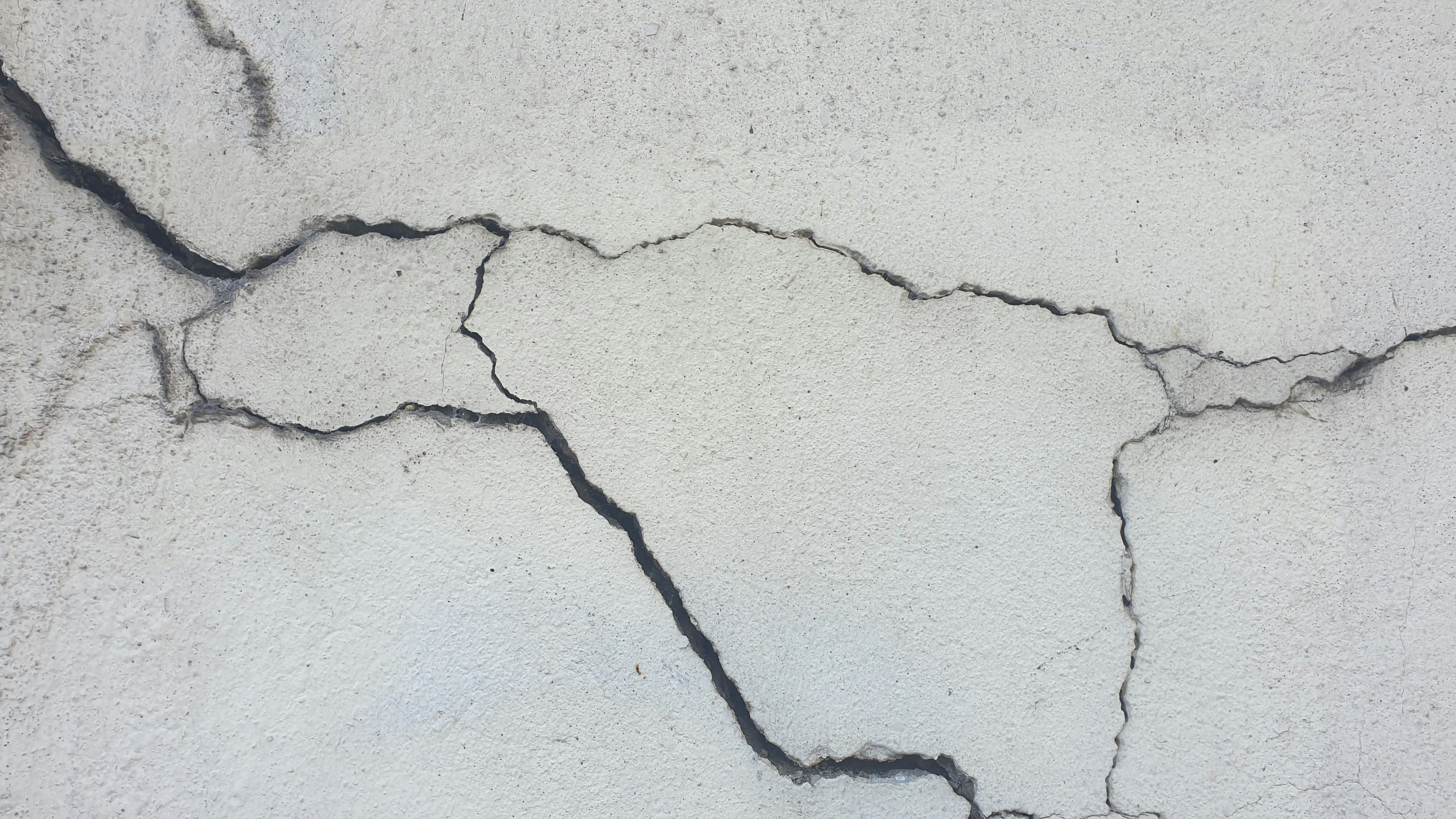
The early period after placement is particularly sensitive. During this stage, evaporation rates are highest, and the concrete has not yet developed sufficient internal strength to resist shrinkage stresses. If water loss is uncontrolled, the surface contracts unevenly, creating tension that manifests as cracking. These early cracks are not merely cosmetic flaws; they are pathways that allow moisture ingress, accelerating deterioration and reducing durability over the lifespan of the structure.
As hydration progresses, strength development follows a predictable trajectory. The first few days contribute significantly to early strength gain, but meaningful long-term performance depends on sustained curing. Even after a week, the internal structure is still evolving, gradually refining its density and resistance. Interrupting this process too early is one of the most common causes of reduced load-bearing capacity in slabs.
Different curing approaches exist—whether through continuous water application, sealed membranes, or moisture-retaining coverings—but they all serve the same purpose: to prevent premature drying and maintain favourable conditions for hydration. The method may vary depending on site constraints, but the principle remains constant. Concrete that is allowed to cure properly will always outperform concrete that is rushed into dryness.
In practical terms, the difference between well-cured and poorly cured concrete is not subtle. It shows up in crack formation, surface dusting, permeability, and ultimately in how long the slab can withstand real-world loading and environmental exposure. For builders and engineers alike, curing is not an optional finishing step; it is a structural requirement that determines whether a slab merely exists or endures.
Proper curing, then, is less about process and more about patience. It is the discipline of allowing chemistry to complete its work undisturbed, so that what begins as a wet pour becomes a hardened structure capable of carrying weight, resisting stress, and standing firm long after the formwork is gone.