
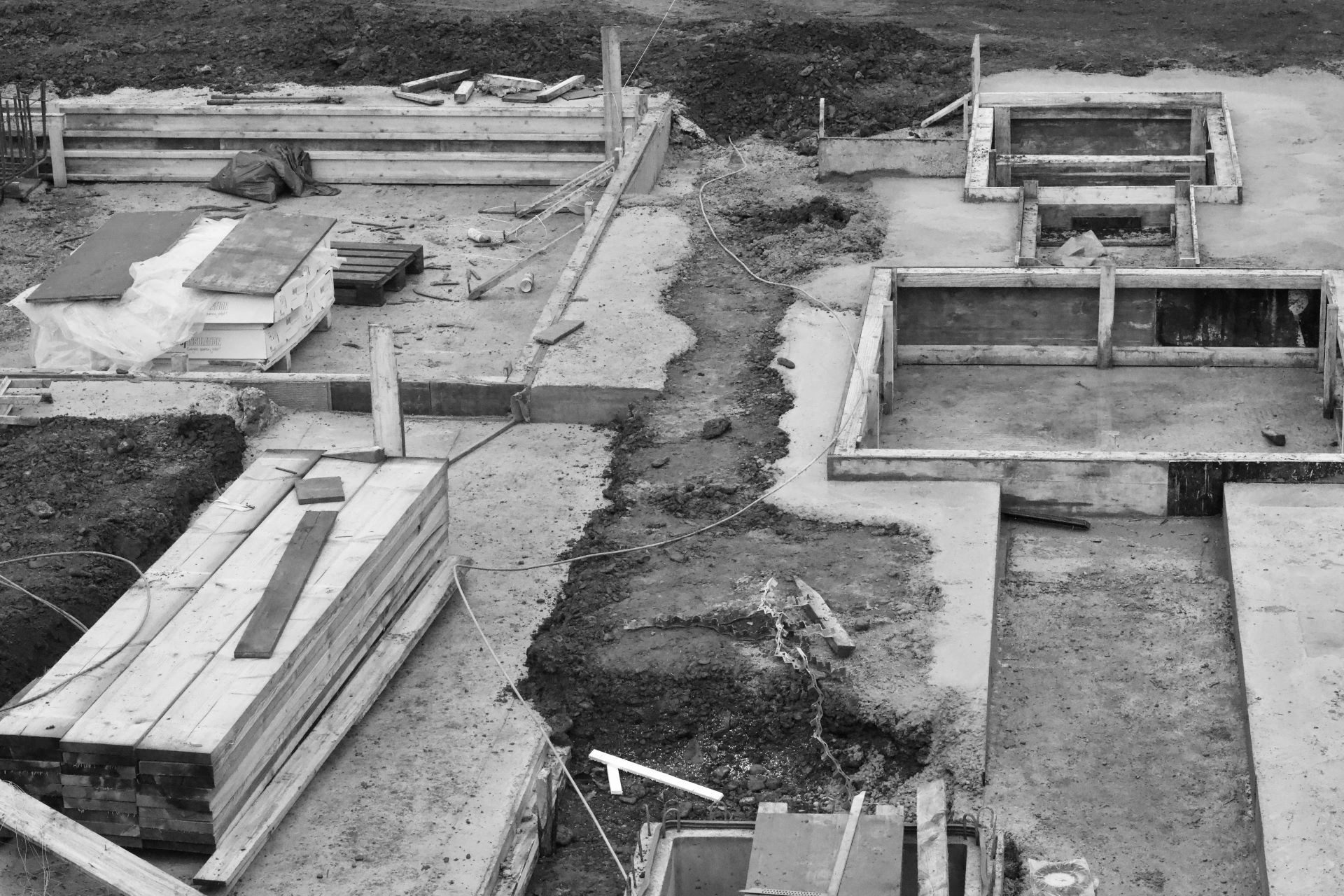
Soil Conditions and Building Foundations in SA
The Ground Beneath the Blueprint
In South African construction, the real story of a building often begins long before the first brick is laid. It starts underground, where soil behaves less like a passive support and more like a living, shifting system. Across provinces—from Gauteng’s clay-rich suburbs to KwaZulu-Natal’s moisture-sensitive coastal zones—soil conditions quietly shape the fate of every structure above them.
Expansive soils, particularly those rich in clay minerals, swell when wet and shrink when dry. This constant movement creates pressure cycles beneath foundations that can lead to cracking, uneven settling, and long-term structural instability. In a country with diverse geology and climate variation, understanding these soil behaviours is not optional; it is fundamental to safe, durable construction.
The Geological Diversity of South Africa’s Building Landscape
South Africa’s geology is famously varied, and that diversity translates directly into construction complexity. In one region, a developer may encounter stable sandy soils ideal for shallow foundations, while just a few kilometres away, highly reactive clay demands deep geotechnical intervention.
The Highveld, particularly around Gauteng, is known for its dolomitic and clay-rich formations. These soils can be deceptively stable during dry periods but become highly reactive when water enters the system. In contrast, parts of the Western Cape feature sandy and silty soils that drain quickly but may lack sufficient bearing capacity without compaction or reinforcement.
KwaZulu-Natal presents yet another challenge, where high rainfall interacts with clay and residual soils, increasing the risk of seasonal movement. Meanwhile, inland provinces such as Limpopo and the Free State present mixed conditions that often require site-specific investigation rather than regional assumptions.
This variability means that no foundation design in South Africa should ever rely solely on generalised soil expectations.
Understanding Expansive Soils and Clay Behaviour
Expansive soils are among the most problematic materials in construction geotechnics. These soils contain clay minerals such as montmorillonite, which have a layered structure capable of absorbing large amounts of water. When moisture increases, the layers expand; when it decreases, they contract.
This shrink-swell cycle is not uniform. It occurs unevenly across a site depending on vegetation cover, drainage patterns, and underground water movement. The result is differential ground movement—one of the most damaging forces acting on foundations.
In South African residential developments, this behaviour is often seen in the form of diagonal wall cracks, sticking doors and windows, and uneven flooring. In more severe cases, structural walls may shift enough to compromise load-bearing integrity.
The danger is not always immediate. A structure may appear stable for years before seasonal cycles gradually amplify subsurface movement to visible failure levels.
How Soil Moisture Drives Structural Movement
Moisture is the primary driver of soil instability in clay-rich environments. In many South African regions, seasonal rainfall patterns create alternating cycles of saturation and drying. This is especially pronounced in areas with poor drainage or fluctuating water tables.
During heavy rainfall, clay soils absorb water and expand, exerting upward pressure on foundations. In dry seasons, evaporation causes shrinkage, leaving voids beneath structural elements. Over time, this creates a repetitive lifting and settling motion that weakens structural continuity.
Urban development can intensify this process. Paved surfaces reduce natural evaporation, while landscaping irrigation introduces artificial moisture changes. Even seemingly minor interventions such as garden beds placed too close to foundations can alter local moisture equilibrium.
This is why geotechnical planning in South Africa increasingly considers not only soil composition but also water management strategy as part of foundation design.
Site Investigation: The First Line of Defence
Before any foundation design is finalised, a proper geotechnical site investigation is essential. This process determines soil classification, bearing capacity, moisture sensitivity, and potential risk factors.
In South Africa, standard practice often involves borehole drilling, soil sampling, and laboratory testing to determine properties such as Atterberg limits and plasticity indices. These indicators reveal how a soil will behave under changing moisture conditions.
A well-executed site investigation does more than prevent failure; it informs cost-effective design decisions. For example, a shallow foundation may be suitable in stable sandy soil, while the same structure in clay-rich terrain may require deep strip footings or reinforced raft foundations.
Skipping or underestimating this phase remains one of the most common causes of foundation-related defects in residential and light commercial construction.
Foundation Types and Their Response to Soil Conditions
Different soil conditions demand different foundation strategies. In South Africa, engineers typically choose between shallow and deep foundation systems depending on soil behaviour.
Shallow foundations, such as strip footings and pad footings, are generally used where soil is stable and has sufficient bearing capacity. These systems distribute structural loads near the surface but are highly sensitive to movement in expansive soils.
Raft foundations provide a more uniform load distribution and are often used in moderately reactive soils. By spreading the load across a larger surface area, they reduce the impact of differential movement.
In highly unstable or unpredictable soils, deep foundations become necessary. Piling systems transfer loads to deeper, more stable strata, bypassing problematic surface layers entirely.
The selection process is not purely technical; it is a balance between geotechnical risk, construction cost, and long-term maintenance expectations.
The Hidden Risk of Differential Settlement
One of the most damaging consequences of poor soil understanding is differential settlement. This occurs when different parts of a building settle at different rates due to uneven soil behaviour beneath the structure.
In South Africa, this is particularly common in mixed soil zones where clay pockets exist alongside sandy or gravelly areas. When one section of a foundation compresses or expands more than another, structural stress is introduced.
The visible signs often appear gradually. Hairline cracks widen into structural fissures, floors lose level consistency, and roof lines begin to distort. Over time, these issues can escalate into expensive remediation projects involving underpinning or partial reconstruction.
Differential settlement is not just a design flaw; it is a communication failure between soil conditions and engineering response.
Climate Influence on Soil Performance in South Africa
Climate plays a crucial role in how soil behaves beneath structures. South Africa’s climate variability, from arid interior zones to humid coastal regions, creates dramatically different soil moisture regimes.
In drought-prone areas, prolonged dry periods cause clay soils to shrink significantly. When rain eventually returns, rapid swelling can place sudden stress on foundations that have adjusted to a contracted state.
In wetter regions, continuous moisture saturation reduces soil strength over time, leading to gradual loss of load-bearing capacity. This is especially problematic in areas with inadequate stormwater management or leaking underground infrastructure.
Climate change is intensifying these patterns. Increased rainfall variability and longer dry spells are making soil behaviour less predictable, increasing the importance of adaptive foundation design.
Vegetation and Its Underground Influence
Vegetation is often overlooked in foundation planning, yet it has a profound impact on soil moisture balance. Trees, in particular, act as natural pumps, drawing large quantities of water from the ground through their root systems.
In clay-rich soils, this can create localised drying zones that cause soil shrinkage beneath and around foundations. Conversely, removal of mature vegetation can lead to sudden soil rehydration and expansion.
In South African suburban developments, disputes between landscaping aesthetics and structural safety are common. Planting large trees too close to buildings remains one of the most frequent contributors to foundation movement in residential properties.
Proper site planning requires a clear understanding of root zones, water uptake rates, and long-term vegetation growth patterns.
Construction Practices That Amplify Soil Problems
Not all foundation issues originate from the soil itself. Construction practices can significantly worsen existing geotechnical risks.
Poor compaction during site preparation is a major contributor to uneven settlement. If fill material is not properly compacted in layers, voids may form beneath foundations, leading to future subsidence.
Inadequate drainage design is another critical factor. Water pooling around a structure increases soil saturation, especially in clay-heavy regions. Over time, this alters soil volume and reduces stability.
Even construction sequencing matters. Delays between excavation and pouring foundations can expose soils to weathering, changing their properties before structural loads are applied.
These factors highlight the importance of integrated construction planning where civil engineering, architecture, and site management operate in alignment.
Foundation Cracking: Early Warning Signals
Cracking is often the first visible sign of soil-related foundation distress. In South African buildings, cracks typically appear in walls, floors, and around openings such as doors and windows.
Hairline cracks may initially seem cosmetic, but their orientation and progression often reveal deeper structural issues. Vertical cracks may indicate minor shrinkage, while diagonal or stepped cracks often suggest differential movement.
Monitoring crack progression over time is a key diagnostic tool. Sudden widening or repeated seasonal changes usually point to active soil movement beneath the structure.
Early intervention at this stage can prevent more extensive structural damage, often through drainage correction, soil stabilisation, or localised underpinning.
Geotechnical Engineering and Modern Mitigation Strategies
Modern geotechnical engineering in South Africa has evolved to address the complexities of expansive and variable soils. Techniques such as soil stabilisation, moisture barriers, and engineered fill materials are increasingly used to improve foundation performance.
Chemical stabilisation using lime or cement can alter clay behaviour, reducing plasticity and shrink-swell potential. In some cases, geosynthetic reinforcement is introduced to improve load distribution and reduce settlement risk.
Moisture control systems, including perimeter drainage and controlled irrigation design, also play a key role in maintaining soil equilibrium around structures.
These interventions are not standalone solutions but part of a broader design philosophy that integrates soil behaviour into every stage of construction planning.
The Cost of Ignoring Soil Conditions
When soil conditions are overlooked, the financial consequences can be severe. Foundation repairs are among the most expensive structural interventions, often requiring excavation, underpinning, or partial demolition.
Beyond direct repair costs, secondary damage such as interior finishes, plumbing disruptions, and structural realignment adds further financial strain. In commercial developments, downtime caused by structural remediation can significantly impact operational continuity.
In South Africa’s competitive construction environment, where cost efficiency is often prioritised, the temptation to reduce geotechnical investigation budgets can lead to disproportionate long-term losses.
Proper soil analysis should be viewed not as an expense, but as a form of structural insurance.
Building for South Africa’s Subsurface Reality
Successful construction in South Africa requires a shift in mindset—from treating soil as a passive base to recognising it as an active design parameter.
Each site carries its own geological identity, shaped by mineral composition, moisture dynamics, climate exposure, and historical land use. Foundations must be designed not only to support weight but to accommodate movement, variation, and environmental interaction.
As urban expansion continues across the country, especially in rapidly developing corridors, the importance of geotechnical awareness will only increase. Builders, engineers, and developers who prioritise soil intelligence at the planning stage are far more likely to achieve long-term structural resilience.
The Ground Truth of Stability
Beneath every structure lies a complex system of forces that cannot be seen but must always be respected. In South Africa, where soil diversity is vast and environmental conditions are dynamic, understanding these forces is essential to safe and sustainable construction.
Expansive clays, moisture cycles, vegetation impact, and climate variability all converge beneath the foundation line. When properly understood, they inform smarter design. When ignored, they quietly erode structural integrity over time.
The future of construction lies not just in stronger materials or smarter design software, but in deeper respect for the ground itself—the silent architect beneath every building.