
Soil Erosion and Foundation Risk in South Africa
Across South Africa’s varied landscapes, from the clay-rich soils of Gauteng to the sandy coastal zones of the Western Cape and KwaZulu-Natal, one silent but persistent threat continues to undermine buildings: soil erosion. It rarely announces itself with dramatic failure. Instead, it works gradually, stripping away support from foundations until structural integrity begins to shift, crack, and settle unevenly.
Soil erosion is not merely a rural agricultural concern. In urban and suburban environments, particularly where landscaping has been altered, drainage has been modified, or vegetation has been removed, it becomes a direct structural risk. Foundations that were once safely embedded in stable ground can become partially exposed, destabilised, or undermined by uncontrolled water movement.
Understanding how this process unfolds is essential for long-term building maintenance and risk prevention in South Africa’s often volatile climate conditions.
How Soil Erosion Begins Around Buildings
Soil erosion around structures is usually not the result of a single event. It develops through repeated exposure to water movement, wind action, and changes in surface cover. In most residential and commercial properties, the main driver is water mismanagement.
When rainwater is not properly directed away from a building, it follows the path of least resistance. Over time, this flow begins to carve shallow channels into the soil. These channels deepen with each rainfall event, gradually transporting soil particles away from the foundation perimeter.
In South Africa, intense seasonal storms can accelerate this process significantly. High rainfall intensity, especially in summer rainfall regions like Gauteng and Mpumalanga, increases runoff velocity, which increases soil displacement.
Even small landscaping changes can trigger erosion. Removing grass cover, altering garden beds, or installing impermeable surfaces such as paving without proper drainage planning can all shift how water interacts with the ground.
Landscaping Changes and Their Structural Consequences
Landscaping is often viewed as aesthetic enhancement, but it plays a critical engineering role in surface water control and soil retention. When altered without structural consideration, it can become a hidden liability.
Sloping gardens that were once designed to slow water movement may be flattened or regraded during renovations. This can unintentionally increase water speed toward the building envelope. Similarly, decorative stone beds or artificial turf installations may reduce natural absorption, increasing runoff concentration.
Retaining vegetation is especially important. Plant roots bind soil particles together, creating a natural reinforcement matrix. When vegetation is removed or replaced with shallow-rooted species, the soil becomes more susceptible to displacement.
In coastal regions such as Durban and the Garden Route, sandy soils already have low cohesion. Without vegetation anchoring, erosion can occur rapidly after heavy rainfall or storm surge events.
Foundation Exposure: The Hidden Stage of Damage
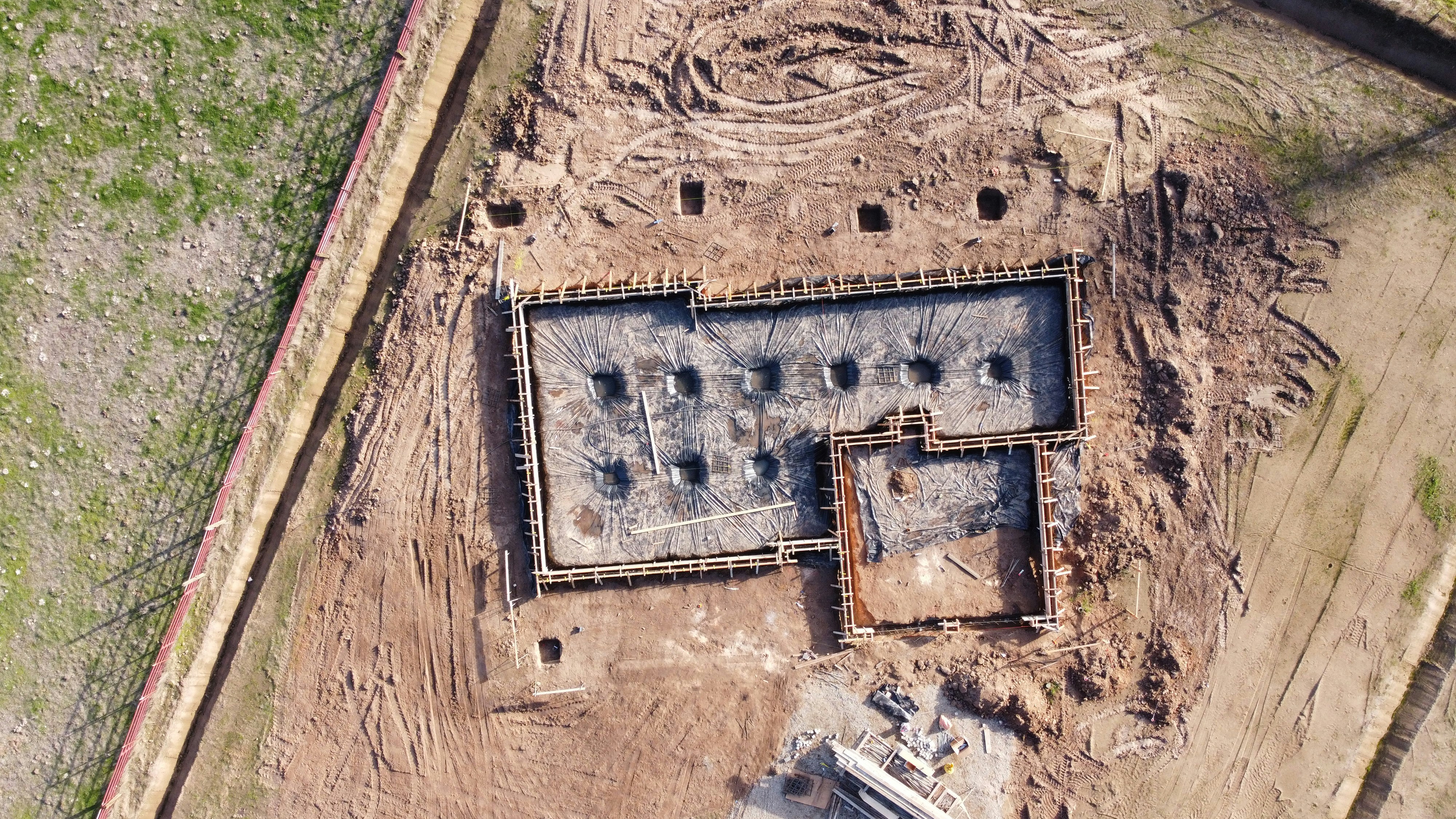
Foundation exposure occurs when surrounding soil levels drop below the original design depth of the structure. This is often gradual and goes unnoticed until visual signs become apparent.
The exposed portion of the foundation is then subjected to environmental conditions it was never designed to endure. Moisture cycles increase, temperature fluctuations become more extreme, and physical support is reduced.
This exposure can lead to several structural issues. Cracking in walls is often one of the earliest visible symptoms. These cracks may appear diagonal near corners or around window and door frames, indicating differential movement in the foundation.
In some cases, exposure leads to undermining, where soil is removed from beneath load-bearing sections. This is particularly dangerous, as it compromises the direct support system of the structure.
South African Soil Conditions and Their Behaviour
South Africa presents a complex mix of soil types, each with distinct erosion behaviours.
Clay-rich soils, common in parts of Gauteng, expand when wet and contract when dry. This movement can worsen erosion effects by creating small fissures that allow water to penetrate deeper layers.
Sandy soils, prevalent in coastal regions, have low cohesion and are easily displaced by flowing water. Once erosion begins, it can accelerate rapidly due to the lack of binding particles.
Loamy soils offer better stability but are still vulnerable when vegetation cover is removed or when drainage is poorly managed.
Understanding local soil behaviour is essential when designing landscaping and drainage systems. A solution that works in one province may fail completely in another due to these differences.
Drainage Systems and Their Role in Prevention
Effective drainage is the most important defence against soil erosion around foundations. Without it, even well-designed landscapes can become destructive.
Surface drainage directs water away from buildings using slopes, channels, and collection points. Subsurface drainage, such as French drains, manages water below ground level, preventing saturation of soil near foundations.
In many South African properties, drainage systems are either absent or poorly maintained. Blocked gutters, misaligned downpipes, and clogged stormwater channels all contribute to uncontrolled water discharge at the base of structures.
Water should never be allowed to pool near foundations. Even shallow pooling can soften soil over time, reducing its load-bearing capacity and increasing erosion risk during subsequent rainfall events.
The Role of Rainfall Intensity in Structural Risk
South Africa’s rainfall patterns are highly variable. Some regions experience long dry periods followed by sudden, intense storms. This creates ideal conditions for erosion.
Dry soil becomes compacted and less absorbent. When heavy rain finally arrives, water runs off rather than infiltrating the ground. This increases surface flow velocity, which intensifies soil displacement.
Storm events associated with thunderstorms are particularly damaging. High-intensity rainfall over short durations overwhelms drainage systems and accelerates erosion around building perimeters.
Over time, repeated exposure to these conditions creates cumulative damage that is often underestimated during routine inspections.
Vegetation as a Natural Protective Layer
Vegetation is one of the most effective natural systems for controlling soil erosion. Grass, shrubs, and groundcover plants reduce the impact of rainfall by breaking its kinetic energy before it reaches the soil surface.
Root systems bind soil particles together, increasing resistance to displacement. In addition, vegetation improves water absorption, reducing surface runoff.
However, not all vegetation offers equal protection. Deep-rooted plants provide better structural reinforcement, while shallow-rooted ornamental plants may offer limited erosion control.
In urban South African settings, the challenge is balancing aesthetic landscaping with functional soil stabilisation. Removing vegetation without replacing its stabilising function often leads to increased erosion risk.
Human-Induced Ground Level Changes
Construction and renovation activities frequently alter ground levels around existing buildings. Even small changes in elevation can have significant effects on drainage patterns.
Cut-and-fill landscaping, where soil is removed from one area and added to another, can create uneven water distribution. Raised garden beds positioned near foundations may also redirect water flow toward structural walls.
Compaction from heavy machinery during construction reduces soil permeability. This limits water infiltration and increases runoff, which can accelerate erosion in adjacent areas.
These changes often go unnoticed until structural symptoms begin to appear, long after the landscaping work has been completed.
Early Warning Signs of Foundation Exposure
Identifying erosion-related foundation exposure early is critical for preventing long-term structural damage.
One of the first signs is visible soil separation from the base of the structure. Small gaps may appear where soil has pulled away from foundation walls.
Water pooling near the building after rainfall is another indicator. This suggests that drainage patterns have been altered or are no longer effective.
Cracks in exterior plaster or brickwork may also signal movement caused by uneven soil support. These cracks often widen over time if the underlying erosion is not addressed.
In some cases, doors and windows may begin to misalign due to subtle shifts in foundation positioning.
The Role of Stormwater Management Systems
Stormwater management is a core component of preventing soil erosion in developed areas. These systems are designed to control the flow of water from roofs, paved surfaces, and surrounding land.
In South Africa, stormwater infrastructure varies widely between urban and rural environments. In well-developed areas, stormwater is channelled into municipal systems. However, in many residential properties, water is discharged directly onto surrounding soil.
Without proper dispersion mechanisms, this concentrated flow can quickly erode soil near discharge points. Splash blocks, dispersion trenches, and controlled outlets are essential to reduce impact force.
Regular maintenance of these systems is often overlooked, yet it is crucial for long-term soil stability.
Coastal Versus Inland Erosion Behaviour
Coastal regions face unique erosion challenges due to sandy soils and high wind exposure. In areas such as Durban and parts of the Eastern Cape, wind-driven erosion can compound water-based soil loss.
Inland regions, particularly those with clay soils, experience more structural movement due to moisture variation. This can create cyclical erosion patterns that gradually weaken soil integrity.
Understanding these regional differences is essential when designing preventative measures. A coastal property may require more frequent landscaping reinforcement, while an inland property may require more robust drainage control.
Foundation Design and Soil Interaction
Foundation design must always account for soil behaviour. Shallow foundations are more vulnerable to erosion effects, while deeper foundations provide greater resistance to surface-level soil changes.
However, even deep foundations can be affected if erosion exposes supporting soil layers. Once the surrounding soil is removed, lateral support is reduced, increasing structural stress.
Proper compaction during construction is critical. Soil that is not adequately compacted can settle over time, creating voids that accelerate erosion once water infiltration begins.
Preventative Landscaping Strategies
Preventing soil erosion requires a combination of design foresight and ongoing maintenance.
Landscaping should always direct water away from buildings rather than toward them. Gentle grading away from the structure helps ensure that water flows outward naturally.
Ground cover should be maintained year-round to protect soil from direct rainfall impact. Mulching can also help reduce surface runoff and retain moisture balance.
Where slopes exist, terracing or retaining structures may be necessary to slow water movement and stabilise soil.
Regular inspection of landscaped areas is essential, particularly after heavy rainfall events.
Maintenance Practices for Long-Term Stability
Building maintenance in relation to soil erosion is not a one-time intervention. It is an ongoing process that requires attention to environmental changes.
Gutters and downpipes should be inspected regularly to ensure proper discharge. Blockages can redirect water toward foundations, increasing erosion risk.
Soil levels around the building should be checked periodically. Any noticeable drop in ground level near structural walls should be investigated promptly.
Drainage systems must be kept clear and functional. Even minor obstructions can significantly alter water flow patterns during heavy rain.
Protecting the Ground Beneath Our Structures
Soil erosion may begin as a quiet, almost invisible process, but its impact on buildings can be profound. In South Africa’s diverse environmental conditions, the interaction between landscaping, rainfall, and soil type creates a dynamic system that must be carefully managed.
Foundation exposure is not simply a structural issue. It is a landscape issue, a drainage issue, and a maintenance issue all at once. Preventing it requires awareness of how small changes in ground conditions can translate into significant structural consequences.
With thoughtful landscaping, effective drainage, and consistent maintenance, the ground beneath our buildings can remain stable, resilient, and capable of supporting structures for decades to come.